


UK Personal Finance | Pensions and Retirement | 3 November 2026
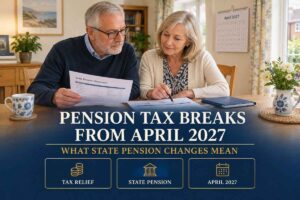
A rise in the State Pension is normally welcome news for older people, but it has created an unexpected tax problem. With the full new State Pension set to exceed the standard Income Tax Personal Allowance, some pensioners could otherwise find themselves facing a tax bill for the first time.
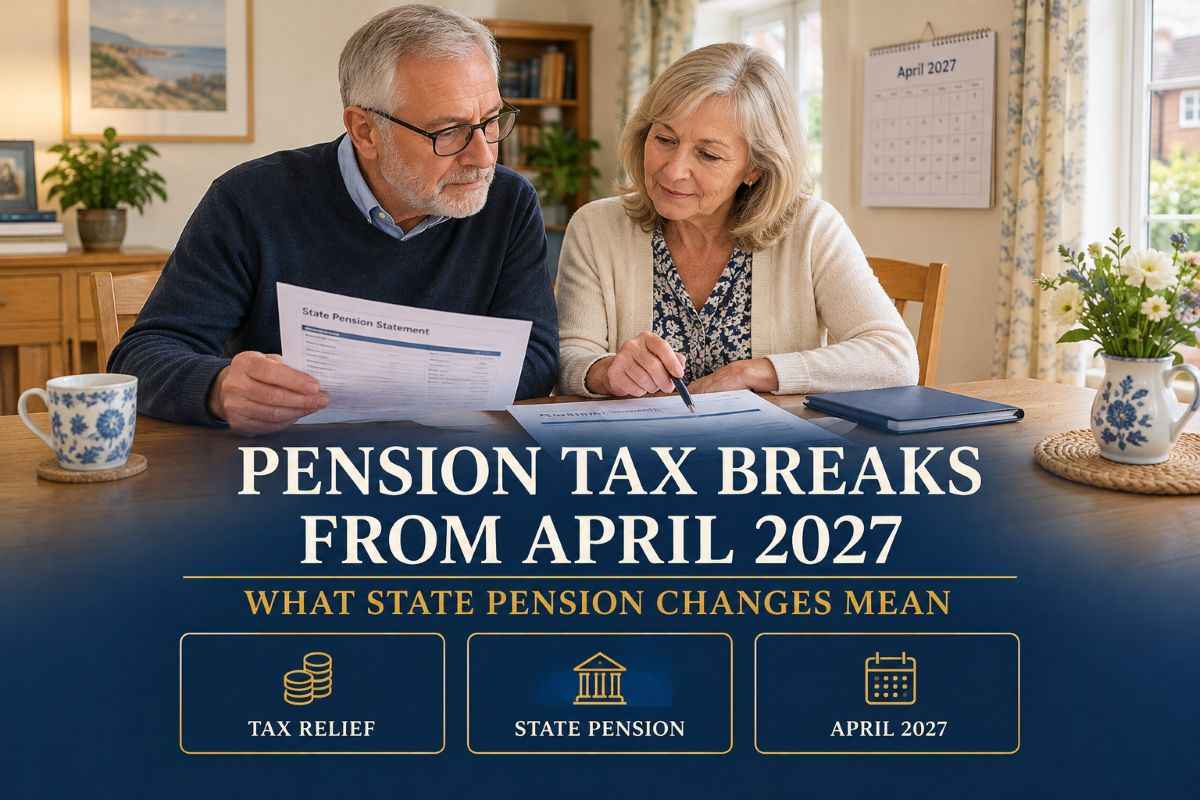
However, the Government has now confirmed a new Pension Tax Allowance from April 2027, designed to prevent eligible pensioners from paying this additional tax. The important detail is that this is not a complete exemption from State Pension taxation, and the rules will depend on how much income someone receives.
What’s actually true about the 2027 State Pension tax change?
The change is part of a new Government measure called the Pension Tax Allowance (PTA), which will take effect from 6 April 2027.
To understand why it matters, it helps to look at the existing rules. The State Pension is taxable income, but the Department for Work and Pensions (DWP) pays it without deducting Income Tax. HM Revenue and Customs (HMRC) considers it alongside other taxable income when calculating someone’s overall tax liability.
The standard Personal Allowance is currently £12,570, meaning most people can receive this amount of taxable income before paying Income Tax. However, the State Pension has been increasing under the Government’s Triple Lock policy, while the Personal Allowance has remained frozen.
For the 2027–28 tax year, the full new State Pension is expected to rise to approximately £13,037 annually. Without an adjustment, someone receiving only the full new State Pension could therefore technically have taxable income above the standard Personal Allowance.
The new Pension Tax Allowance is intended to prevent that situation from creating an Income Tax bill for eligible pensioners.
Who will benefit from the new Pension Tax Allowance?
The measure is broader than an arrangement exclusively for people whose only income comes from the State Pension.
From April 2027, people who have reached State Pension age, or reach it during the relevant tax year, can qualify if their total annual income is no more than the full annual value of the new State Pension.
Importantly, income can come from different sources, including:
- The State Pension.
- Private or workplace pensions.
- Employment or self-employment.
- Savings and investments.
- Rental property and dividends.
This means someone with a small private pension could also qualify, provided their total income remains within the eligibility threshold.
Those earning more than the full new State Pension may still receive some tax reduction. However, the allowance gradually decreases by £1 for every £3 of income above the threshold until it disappears.
The arrangement is currently scheduled to cover three tax years: 2027–28, 2028–29 and 2029–30.
Why is the Government introducing this change now?
The issue is closely connected to the Triple Lock, which guarantees that the basic and new State Pension increase each year by whichever is highest: inflation, average earnings growth or 2.5%.
While this helps protect pensioners’ incomes against rising living costs, the frozen Personal Allowance creates a problem. As State Pension payments increase, they can eventually exceed the amount people are normally allowed to receive before Income Tax becomes payable.
The new allowance is intended to prevent pensioners from being caught by this situation simply because their State Pension has increased.
It is also significant that the measure is not restricted to pensioners with no other income. The Government’s October 2026 guidance confirms that eligibility will be assessed using total income, regardless of its source.
Common misconceptions pensioners should understand
There are several important distinctions behind the headline.
1. The State Pension is not becoming completely tax-free.
The State Pension will remain taxable income. The new allowance reduces the Income Tax liability of eligible individuals rather than changing the pension’s underlying tax status.
2. Everyone over State Pension age will not automatically stop paying tax.
People with higher retirement incomes may receive a smaller reduction or no reduction at all. Other taxable income still matters.
3. Private pensions are not excluded.
Having a workplace or personal pension does not automatically disqualify someone. The combined income figure determines eligibility.
4. The change does not increase the standard Personal Allowance.
The standard allowance remains separate. The Pension Tax Allowance is an additional tax reduction with its own eligibility rules.
What should pensioners do next?
Although the new arrangement is designed to reduce the administrative burden, pensioners should still keep track of their income and tax position.
A few practical steps can help:
- Check your total income: Add together your State Pension, private pensions, earnings and other taxable income.
- Review your tax records: Check your HMRC Personal Tax Account and any tax calculations you receive.
- Keep pension statements: Your DWP State Pension information and private pension statements can help establish your annual income.
- Watch for HMRC updates: The Government has confirmed that eligible PAYE taxpayers will receive the reduction automatically through tax code adjustments. Those completing Self Assessment will have the reduction applied through their usual return where eligible.
- Check Pension Credit entitlement: If your retirement income is limited, check whether you qualify for Pension Credit, which can provide additional financial support.
Official guidance is available through GOV.UK’s Pension Tax Allowance explainer.
What pensioners need to remember
From April 2027, eligible pensioners will receive additional protection against Income Tax arising from State Pension increases. The new Pension Tax Allowance should help people on lower retirement incomes avoid an unexpected tax bill, including some who receive modest private pension income.
However, it does not abolish State Pension taxation or guarantee that every pensioner will pay no tax. Checking total income and understanding the eligibility threshold will remain important.