



If you’ve just launched a start-up, chances are you’ve already asked this: Should we invest in SEO or PPC advertising?
It’s a bit like choosing between planting a tree and waiting for it to mature, or simply buying timber for immediate use. One approach requires patience, while the other provides instant results.
The reality is, for young businesses under pressure, the decision rarely feels straightforward. Some founders rely heavily on Google Ads, while others attribute their growth entirely to organic search traffic. More realistically, most discover that a blend carefully timed delivers the best outcome.
This guide examines SEO versus PPC from a start-up’s perspective, emphasising how these strategies work in the UK, particularly in bustling hubs like Manchester. For those keeping a close eye on costs, choosing affordable SEO services in Manchester can often be the key to creating sustainable growth without exhausting budgets on paid ads.
SEO and PPC Explained
To keep things simple:
- Search Engine Optimisation (SEO) is about improving your website and content so you rank higher in organic search results. You don’t pay Google per visitor, but you do invest in expertise, time and strategy. Many businesses work with an SEO agency in Manchester to accelerate results.
- Pay-per-click (PPC) Advertising involves paying platforms such as Google Ads or Meta Ads for immediate visibility. You bid on keywords, and your website appears prominently in search results at a price per click.
One is a long-term investment that steadily builds brand credibility; the other provides instant traffic but at a continuing cost. Neither is better in isolation; it’s about what you need most at the time.
Key Comparison Points
| Factor | SEO | PPC |
| Cost | No fee per click, but ongoing investment in expertise and content. | Direct ad spend on a single click has a price. |
| Speed | Slow build-up (often 3–12 months before strong traction). | Immediate results will be obtained as soon as the ads go live. |
| Sustainability | Builds long-term authority with compounding value. | Stops the moment you pause campaigns. |
| Trust | Users often consider organic search results more credible. | Ads can be effective, but sometimes are viewed with suspicion. |
| Flexibility | Harder to pivot the strategy quickly. | Significantly, agile ads can be tweaked daily. |
| Data | Suitable for long-term insight and content planning. | Excellent for rapid testing of audiences and keywords. |
| Competition | Competitive in busy industries, but authority and niche focus can overcome rivals over time. | You can outbid rivals, but costs rise sharply. |
| Value Over Time | Long-term asset content continues to perform. | Short-term benefits vanish without a budget. |
Why SEO Could Be Your Anchor
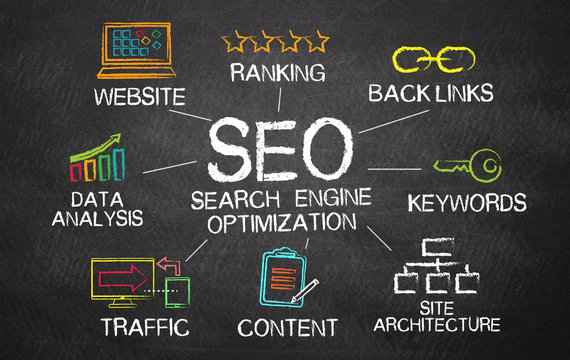
For start-ups, particularly those with limited funds, affordable SEO packages can be the most effective long-term investment. The problem is that SEO feels slow at first. You refine your keywords, tweak site speed, publish blogs, build links… and then you wait. It can be frustrating.
But SEO has a secret strength: it compounds. A well-written blog today might continue sending leads for years. An optimised service page can quietly climb search rankings, providing ongoing enquiries without extra spend. In contrast, PPC traffic ends the second your budget runs out.
Of course, SEO can be particularly challenging in highly competitive sectors such as finance or legal services.
This is where getting support from SEO services in Manchester, a local team with expertise in your market, can make a difference.
Why PPC Feels Like the Shortcut
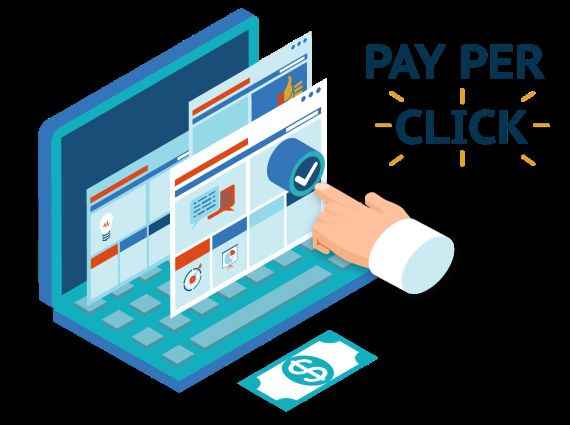
The real attraction of PPC lies in its speed. Launch a campaign today, and tomorrow your advert can appear above bigger, long-established competitors.
Beyond visibility, PPC has another hidden strength: data. You quickly see which keywords convert, which landing pages aren’t working, and what demographics respond best. That’s incredibly useful for guiding your SEO strategy later, helping you avoid wasting months targeting terms that don’t generate business.
The downside? It can get expensive. Click costs in competitive industries, even in Manchester, are climbing. Unlike SEO, the results don’t build momentum; stop paying, and the traffic disappears immediately.
Strategic Guidance for Startups
Both SEO and PPC have their place. Here’s when to use each approach:
Start with SEO if:
- You want to build long-term brand authority.
- Budgets are tight, but you can afford to wait for results.
- You operate in a less competitive niche.
- You prefer marketing assets that continue to pay back over time.
Start with PPC if:
- You need immediate leads or sales.
- You’re launching a product or promotion that can’t wait.
- You have the flexibility to test campaigns without fear of overspending.
- You want to reach particular demographics quickly.
Combine Both if Possible:
- Use PPC to test which keywords perform best, and then invest in SEO to optimise your ranking for them.
- Retarget paid traffic with valuable content and guides.
- Gradually reduce your reliance on PPC as SEO begins to deliver steady enquiries.
The Trap of Picking Sides
It’s easy to treat SEO and PPC as rivals, but many do; in truth, they complement each other. PPC provides quick wins, while SEO carries the long game. Going “all in” with one while ignoring the other often leaves businesses exposed.
Suppose you invest all your money in PPC. You’ll see results immediately, but the leads stop after the campaign ends. Alternatively, invest only in SEO; you might be invisible for six months, a start-up may not have.
The healthiest approach is often hybrid: PPC buys immediate attention, while SEO builds long-term momentum in the background.
Take a start-up software firm in Manchester. They partner with an SEO agency in Manchester that offers affordable SEO packages. Slowly, their optimised blog content builds traction, climbing page one rankings. But the early months still feel quiet.
At the same time, they allocate part of the budget to PPC for local, high-intent searches. This ensures a steady flow of enquiries while the SEO work matures. After several months, organic traffic begins to perform, and the firm reduces its PPC spend. Over time, reliance on ads falls away, but sales continue to grow.
That’s the balance: PPC for survival today, SEO for sustainability tomorrow.
Final Thoughts
The decision between SEO and PPC is less about which one is better and more about how you sequence them. SEO builds authority and compounds value over the long term, while PPC creates instant visibility at the expense of ongoing spending.
For start-ups, especially those working with limited marketing funds, investing in affordable SEO services in Manchester early on offers resilience. Pairing that with selective PPC helps close the gap while the SEO foundations strengthen.
So instead of asking “Should we do SEO or PPC?”, consider: “What’s the right balance and timing for both, given our budget and goals?”
Ready to Grow Your Visibility?
At The Social Bay, we understand that start-ups and growing businesses face constant pressure to stretch every penny. Our solutions are designed to be flexible and cost-effective, without sacrificing performance.
We deliver affordable SEO services in Manchester, supporting local small businesses and global brands that want to scale internationally. With our affordable SEO packages, you’ll cut dependency on costly ad spend while building a sustainable search presence that grows over time.
Whether you’re after a tailored SEO campaign or a longer-term package that compounds results, we’ll help you create a strategy that works for your unique business.
Contact The Social Bay today to discover how we can help your brand grow smarter, faster, and stronger.