


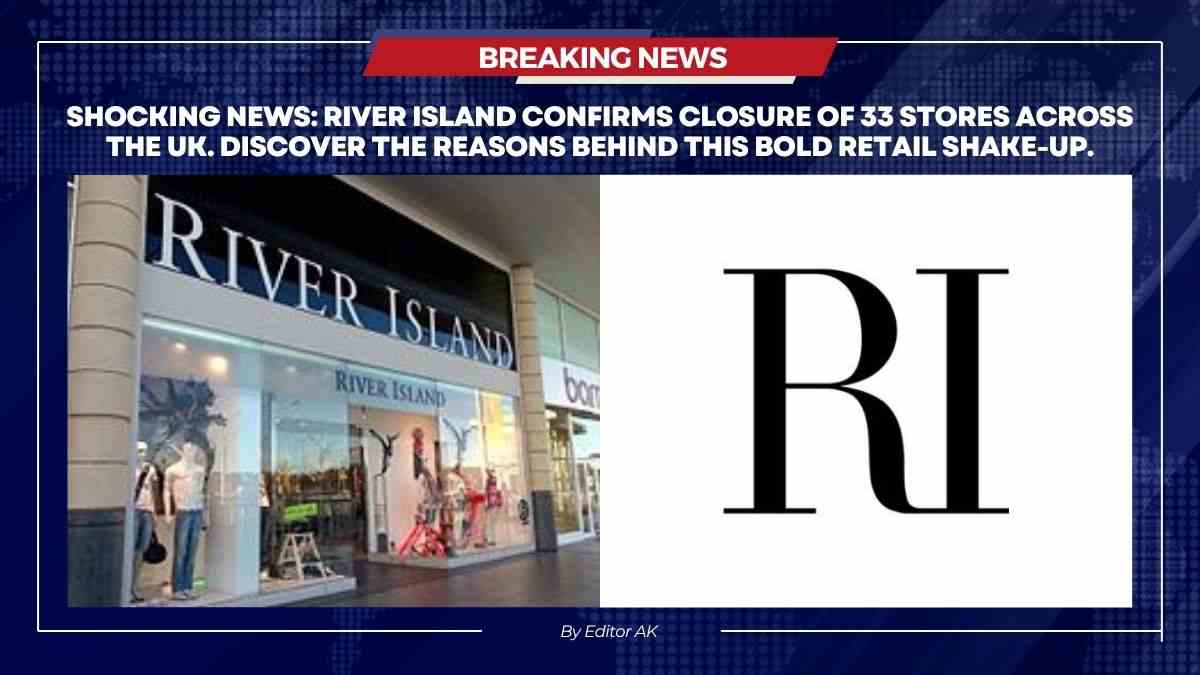
Thirty-three of River Island’s 230 stores will close, and a further 71 will be at risk under a reorganisation plan that could lead to the loss of more than 1000 jobs.
The 5500-family firm said it had needed to make the drastic changes to prevent substantial losses due to a “migration of shoppers from the high street to online” and increasing costs.
32 stores will be closed under the plan, which is being drawn up with the help of PricewaterhouseCoopers, an advisory firm, and will go to creditors for a vote in August. The fate of the remaining 71 stores will be subject to discussions with landlords to adjust rent deals.
River Island Chief Executive Ben Lewis said the firm would “try to make these to a minimum” and regretted losing jobs. “With decades of heritage on the British High Street, River Island is a much-loved retailer,” he said.
But now, the business has a large portfolio of stores that are no longer appropriate for our customers because of the much-talked-about move of consumers away from the high street and into online shopping.
The financial burden has only grown because of the recent significant rise in the price of doing business.
According to the most recent accounts submitted to Companies House, River Island experienced a loss of £33.2 million in 2023 after its sales dropped by over 19% to £578.1 million.
In 2022, it generated £2 million in profits. The company started a cost-cutting initiative in January that included a redundancy program at its London headquarters, which has an impact on departments including purchasing and merchandising. River Island, a one-time Chelsea Girl, began selling clothes under the Lewis’s brand in the 1940s.
Its trouble began when the discount retailer Poundland initiated an identical reorganisation scheme that could see it shut as many as 150 stores, two warehouses, and cease selling items online, potentially costing 2000 jobs.
Although consumer expenditure remains subdued out of concerns over geopolitical happenings and inflation in essentials such as fuel and food, the high street retailers are also coming under pressure from rising wages and duties, particularly national insurance and business rates.
High Street retailers are also being squeezed by the rapid rise of low-cost internet stores such as Shein, Temu, and Amazon, as foot traffic to their stores remains low.
With the new regime, which took effect during the pandemic, with more and more knowledge, Mathew Padian, an insolvency expert at law firm Stevens & Bolton, foresaw that more retailers would utilise restructuring plans to downsize their store estates
“There will be more on the way down the track because it does not seem to be getting any simpler for retailers,” he said.