




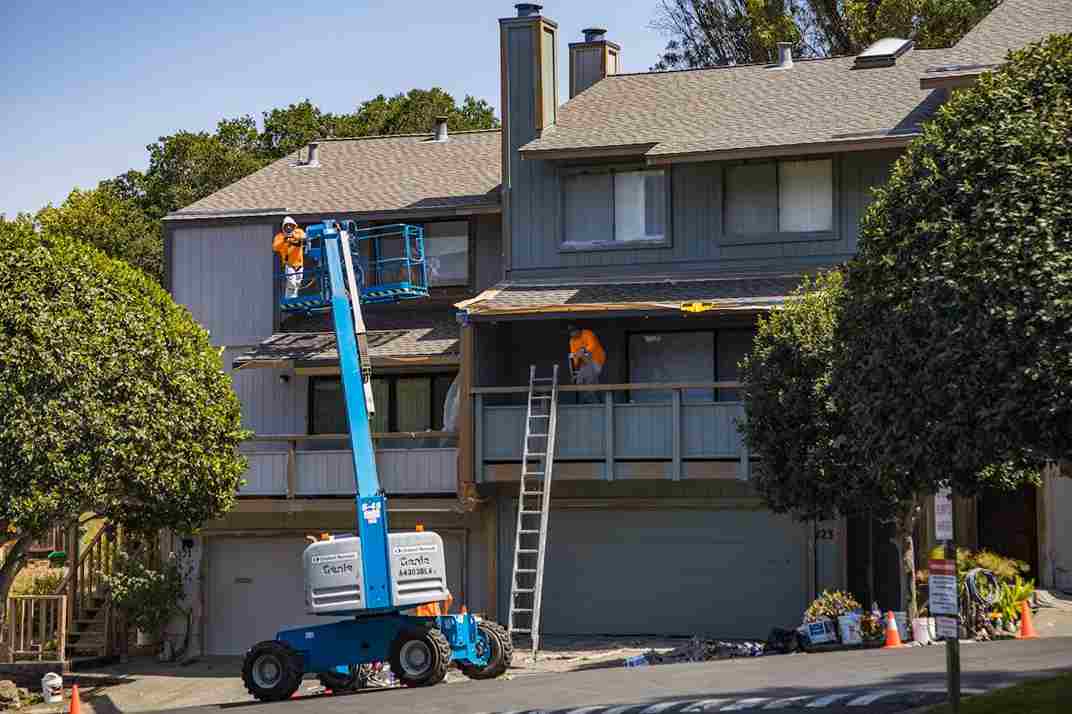
Construction projects are huge financial investments, whether you are building your dream home from the start or you are developing an apartment building.
Still, regardless of the best efforts, defects in construction and structural issues while developing can sometimes arise in the future.
And this is where a building warranty plays a crucial role. The building warranty protects you from unexpected repair costs and makes you sure that the quality of construction stands the test of time, while acting as a safety shield.
The guide explores what is a building warranty? And why it is important for homeowners, developers, as well as investors, and how to choose correct warranty provider?
So let’s discuss in detail in the article.
What is a building warranty?
A building warranty is an independent insurance-backed guarantee which covers you for certain issues during construction and after your home is completed.
A building warranty, also known as structural warranty or latent defects insurance which is a type of insurance policy created to cover undetected defects in new buildings or constructions.
These policies usually have a long warranty period, like 10 to 12 years from the date of completion, and they are planned to protect against structural defects or craftsmanship issues which cannot be seen immediately.
Who needs the building warranty?
- Homeowners: If you are planning to buy a newly built home, then a building warranty offers you a great peace of mind which servers with any hidden issues will be covered.
- Self-builders: Are you constructing an own home? Then, a building warranty is the ultimate precondition for mortgage lenders and later resale to self-builders.
- Developers: Building warranty serves as a warranty that adds credibility, boosts buyer confidence, and is legally needed for developers at the time of selling.
- Buy-to-let investors: A building warranty make sure about the long-term protection as well as boosts the value of your property portfolio.
What does the building warranty cover?
Building warranties usually cover large structural elements of a property. The coverage is usually split into two phases:
Defects insurance period for years 1–2:
During the initial two years after completion, the builder or developer is generally responsible for fixing defects due to poor workmanship or materials, including:
- Plumbing or electrical faults
- Poor insulation
- Minor roof or wall cracks
- Door or window installation issues
Structural insurance period for years 3–10+:
From years three onwards, the policy kicks in to cover more serious structural issues, including:
- Foundation failures
- Structural wall cracks
- Roof structure issues
- Problems with load-bearing elements
Why do you need a building warranty?
Even well-built homes can experience problems due to material failure, ground movement, or human error.
Here’s why having a building warranty is not just a good idea, but a necessity:
- Offers financial protection: Major repairs like foundation problems can cost tens of thousands of pounds. A building warranty protects you from having to pay out of pocket for these high-ticket repairs.
- Mortgage and lending requirements: Most mortgage lenders in the UK require a valid building warranty for newly constructed or converted homes. Without one, you may struggle to secure financing.
- Useful for legal compliance and resale: When you decide to sell the property, prospective buyers and lenders will want reassurance that the home is structurally sound. A transferable building warranty significantly boosts the marketability of your property.
- Offers you peace of mind: The most essential thing that a building warranty offers is emotional peace of mind. Knowing that you are covered if something goes wrong allows you to focus on enjoying your new property.
Choosing the right building warranty provider:
Not all building warranties are created equal. When comparing providers, look for the following:
- Length and breadth of coverage: Ensure the warranty lasts at least 10 years and covers both the defect liability period and the structural period.
- FCA regulation and insurance backing: Choose a provider that is authorised and offers warranties backed by A-rated insurers.
- Reputation and transparency: Look for reviews, client testimonials, and clarity on terms and exclusions.
- Technical audit and support: Some warranty providers offer regular inspections during construction, giving added assurance that the build meets high standards.
One trusted and highly regarded provider in the UK is ABC+ Warranty. As an experienced name in the industry, ABC+ offers a wide range of structural warranties and architect certificates that are fully compliant with mortgage lender requirements.
Their warranties are backed by FCA-compliant insurers and come with no annual fees, making them a cost-effective solution for homeowners, developers, and self-builders.
Conclusion:
In the world of property development and homeownership, uncertainty is a given. Even with the best planning and execution, problems can and do arise. That’s why securing a comprehensive building warranty is not just recommended, it is essential.
Whether you’re building, buying, or selling, a building warranty can protect your investment, secure financing, and offer much-needed peace of mind. Don’t treat it as an afterthought. Work with a reputable provider like ABC+ Warranty to ensure your property is protected for years to come.