




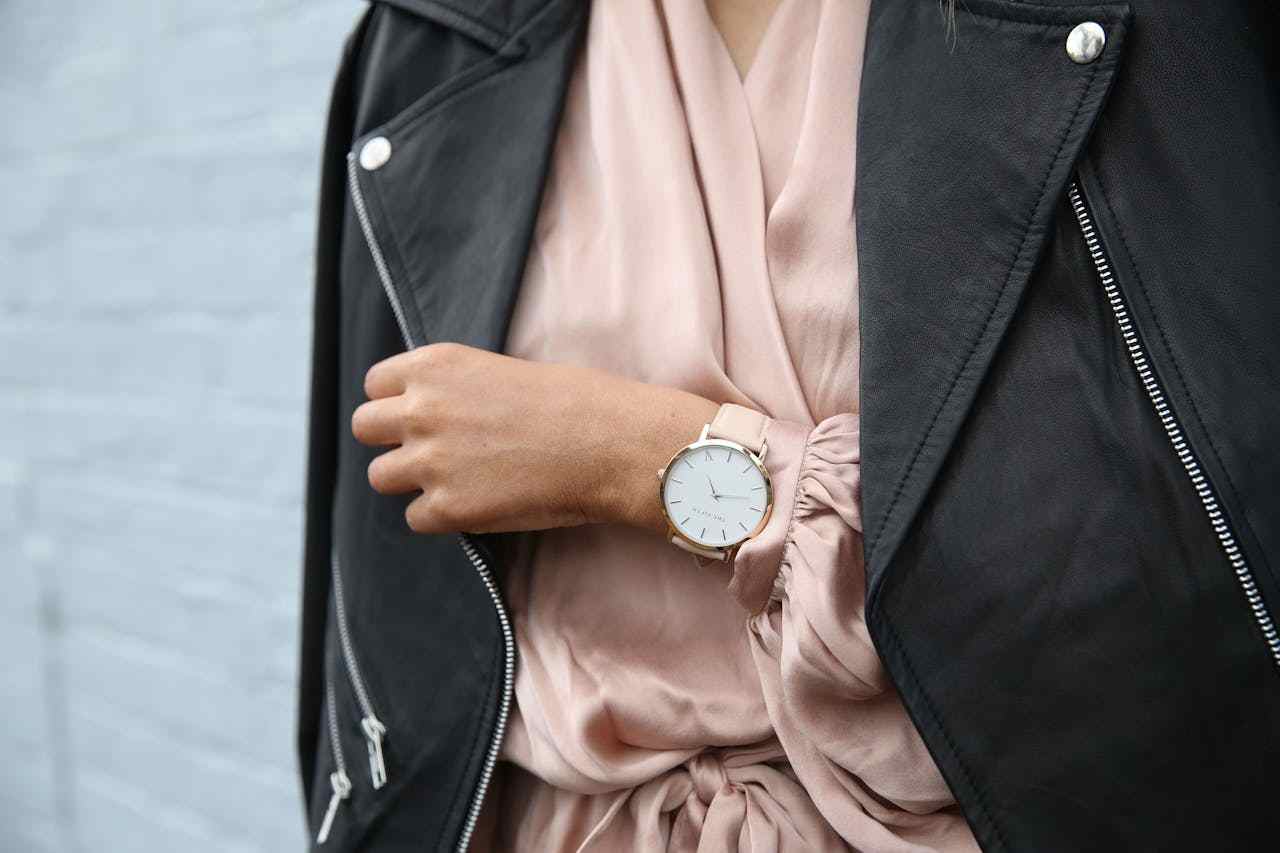
Affluent Londoners view timepieces as expressions of sophistication, functionality, and lasting value. Whether exploring quartz, mechanical, or smartwatch models, discerning buyers want quality assurance, resale potential, and ethical sourcing.
Our guide examines current trends, financial implications, and design priorities, enabling well-educated decisions on ladies’ watches styled to impress and engineered to endure.
Market Outlook: Sustained Growth and Emerging Segments
Despite wider fluctuations across the luxury market, the global watch industry continues demonstrating stability and promise. Valued at USD 75.8 billion in 2024, the sector is projected to expand steadily, with quartz timepieces alone expected to grow at a CAGR of 4.5% until 2034.
While smartwatches have captured attention, traditional timepieces, particularly those positioned within the luxury segment, remain resilient due to their aesthetic, symbolic and emotional appeal.
The ladies’ luxury watch market, in particular, is projected to grow to USD 37 billion by 2034, with an annual growth rate of 2.6%. This expansion is fuelled by rising female purchasing power and shifting consumer preferences for function and form.
Importantly, watches are increasingly viewed as accessories and tangible, wearable assets. Their dual role as lifestyle statements and stores of value places them in a strong position within any diversified luxury portfolio.
Style Evolution: Heritage Meets Innovation
Design preferences in ladies’ watches have shifted significantly, with many consumers moving beyond traditional gendered aesthetics. Approximately 26% of female buyers now opt for mid-sized or even larger models, often historically marketed to men.
A desire for refined mechanics drives these choices, increased dial visibility, and bold styling that reflects professional confidence.
Brands such as TAG Heuer and Omega have responded with reimagined unisex collections and limited editions featuring smaller complications and chronographs designed with subtle elegance.
Equally, there is a rising demand for watches that balance classic aesthetics with modern utility. From Cartier’s timeless Tank Française to Hublot’s use of ceramic composites, heritage watchmakers are innovating materials and movements to appeal to younger demographics without losing their identity.
The result is a new era of timepieces that combine heirloom quality with contemporary relevance, perfectly aligning with the values of modern luxury consumers who appreciate both legacy and longevity.
Sustainability: A Core Luxury Principle
Environmental awareness is no longer a peripheral concern for the luxury watch sector—it is a central factor influencing consumer loyalty.
Watch brands are increasingly embracing sustainable practices, including using recycled gold, ethically sourced leather straps, and solar-powered movements. Consumers now expect fine design, ethical sourcing, and supply chain transparency.
These values strongly influence purchase decisions for women, especially for products perceived as legacy investments.
Sustainability also extends to packaging and aftercare, with many brands replacing traditional leather boxes with biodegradable alternatives and offering repair programmes to extend product life.
Some models, such as Breitling’s SuperOcean Heritage II, have even incorporated ECONYL® straps made from ocean waste, combining luxury with environmental action.
This conscious innovation doesn’t diminish value; on the contrary, it elevates a watch’s desirability among informed buyers seeking long-term relevance in their purchases.
Resale Value: Sense versus Sentiment
Natural Mechanical and Swiss Quartz
Luxury mechanical and Swiss quartz models often retain more than 50–70% of retail value in the pre-owned market, depending on brand, condition and age. As Chrono24 confirms, secondary platforms are now a major factor in price stability, with collectable models frequently outperforming expectations. Certified pre-owned schemes offer secure entry and liquidity for collectors seeking both beauty and return potential.
Smartwatches
While smartwatches deliver functionality, they depreciate fast, typically losing over 60% of their value within two years.
That depreciation makes them ideal for lifestyle tech but poor as long-term assets. Affluent buyers focused on value retention tend to favour mechanical or heritage models.
Price Dynamics and Supply Constraints
Market Resilience
Despite global economic pressures, inventories of premium Swiss timepieces tightened in 2024, supporting price strength. Meanwhile, premium vintage watches from brands like Omega, Rolex and Cartier have shown significant resale growth.
Luxury Segment Growth
The women’s luxury watch sector, valued at USD 10.2 billion in 2024, is projected to reach USD 15.3 billion by 2033, growing at 5.6% annually. This reflects rising demand from affluent female buyers seeking technical excellence paired with timeless design.
Buying for Legacy or Lifestyle
| Buying Intent | Mechanical/Luxury Quartz | Smartwatch |
| Aesthetic and Craftsmanship | Precision mechanics, fine dial work | Modern, digital interface |
| Resale / Asset Retention | 50–70% resale recovery | Rapid depreciation |
| Emotional Prestige | Heirloom potential, brand heritage | Convenience and tech appeal |
| Sustainability Credentials | Recycled metals, carbon-neutral lines | Mixed—battery disposal concerns |
What Informed Buyers Should Ask
- What resale platform or certification supports this model?
Secondary-market liquidity is vital; programmes from brands like Rolex or Omega typically hold value best. - Does the watch feature sustainable materials or craftsmanship?
Seek transparency in factory operations, eco-leather sourcing and use of recycled metals. - Is a quartz or mechanical movement preferable for this purpose?
Quartz suits everyday precision; mechanical adds emotional and historical weight. - How does it compare to market trends and limited editions?
Scarcity, brand releases and condition strongly impact future valuation in resale.
Where to Discover Timeless Ladies’ Watches
For refined timepieces that balance elegance and credibility, explore ladies’ watches from Chisholm Hunter. Their range includes Swiss quartz and mechanical watches crafted from responsibly sourced materials—ideal for those seeking enduring style with intact values.
Final Thought
In 2026, ladies’ watches will be far more than time-telling accessories; they will embody personal statement, technical achievement, and ethical consideration. Mechanical and high-end quartz models offer exceptional emotional and resale value, while sustainable production adds another layer of longevity.
Smartwatches complement modern life but do not match traditional timepieces for legacy or investment. With informed choices, a luxury ladies’ watch becomes an asset that resonates over decades, with every glance affirming taste and principle.