




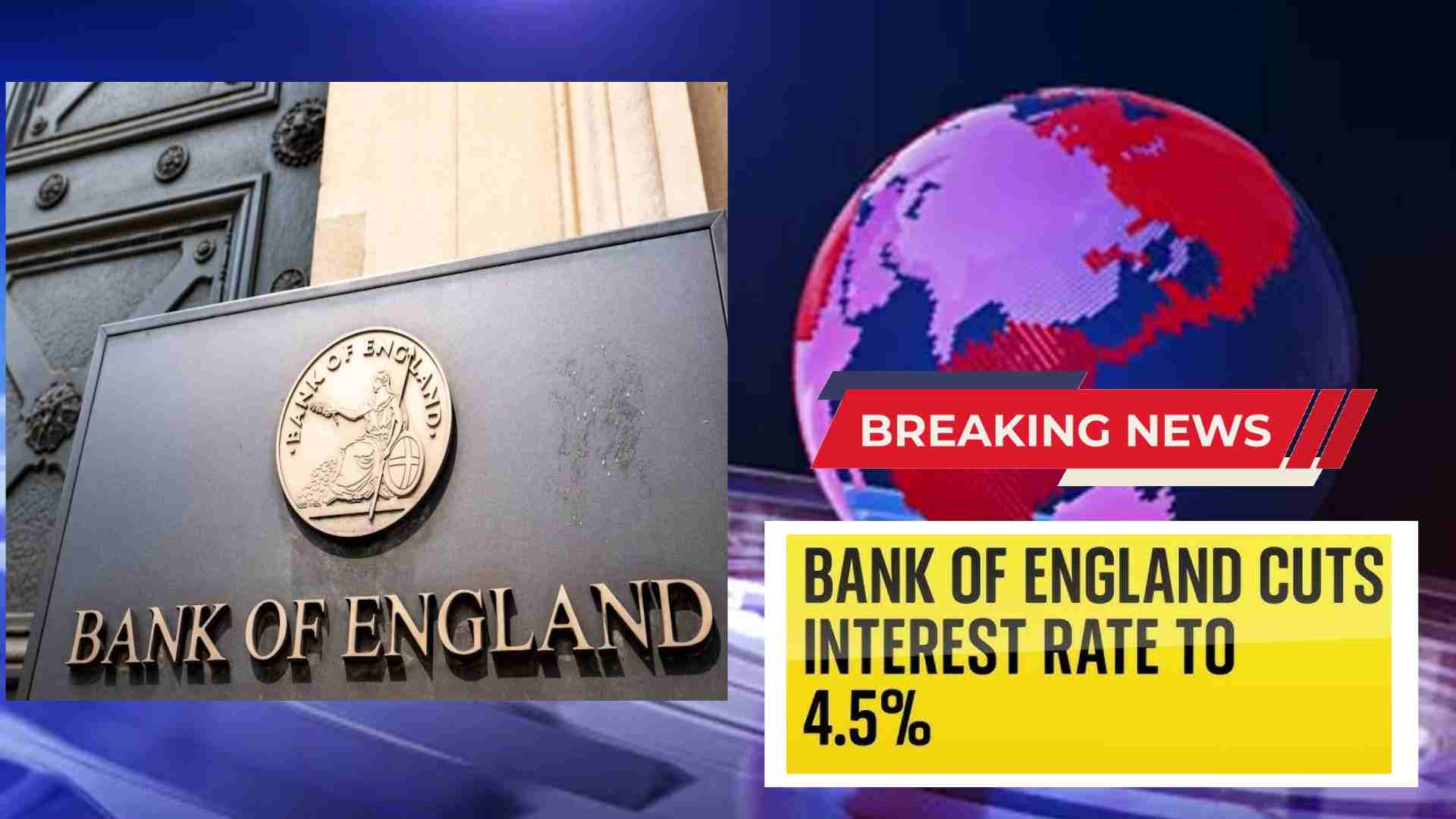
The Bank of England (BOE) has cut its main interest rate by 0.25% to 4.50%, a move anticipated by financial markets.
This decision made during the Monetary Policy Committee (MPC) meeting ending on February 5, 2025, makes the third rate cut in just over six months and sets the base rate to its lowest level since mid-2023.
Seven MPC members voted for the cut, while two preferred a larger reduction of 0.5% points, bringing the rate to 4.25%.
The decision to lower interest rates reflects concerns about the UK economy, which has shown minimal growth in the past six months. The BoE has revised its growth projection for the British economy to 0.75%.
Statements on Inflation and Future Policy
Despite a recent increase, central bankers believe that inflation in the UK is broadly under control at 2.5%, though it remains above the bank’s 2% target.
The MPC aims to meet the 2% inflation target while sustaining growth and employment, adopting a medium-term and forward-looking approach to monetary policy.
Bank of England Governor Andrew Bailey stated that the BoE would closely monitor the UK economy and global developments, taking a gradual and careful approach to further rate reductions. This marks a shift from December’s language, where he spoke only of a gradual approach.
Market Reactions and Future Expectations
Financial markets anticipate at least two to three more interest rate cuts this year, potentially dropping the base rate to 4% by the end of 2025.
According to FactSet consensus, the Bank of England will likely make a further three 0.25% cuts this year, one in each of the year’s remaining quarters, leaving interest rates at 3.75% by the end of December 2025.
The FTSE 100 rose in London following the announcement, recovering from negative sentiment earlier in the week related to tariffs from the Trump administration.
Implications for Savers and Investors
The rate cut’s impact on saving rates may be limited as the savings market had already priced in the cut into fixed rate deals. While the fixed-term market is unlikely to move far, banks holding onto easy access rates above 4.50% might reduce them for now.
Economic Challenges and Uncertainties
The UK faces potential stagflation risks with inflation above the 2% target and price pressures accumulating while the economy stagnates and business confidence declines. Upcoming changes to national insurance contributions and the threat of tariffs add to the economic uncertainty.