




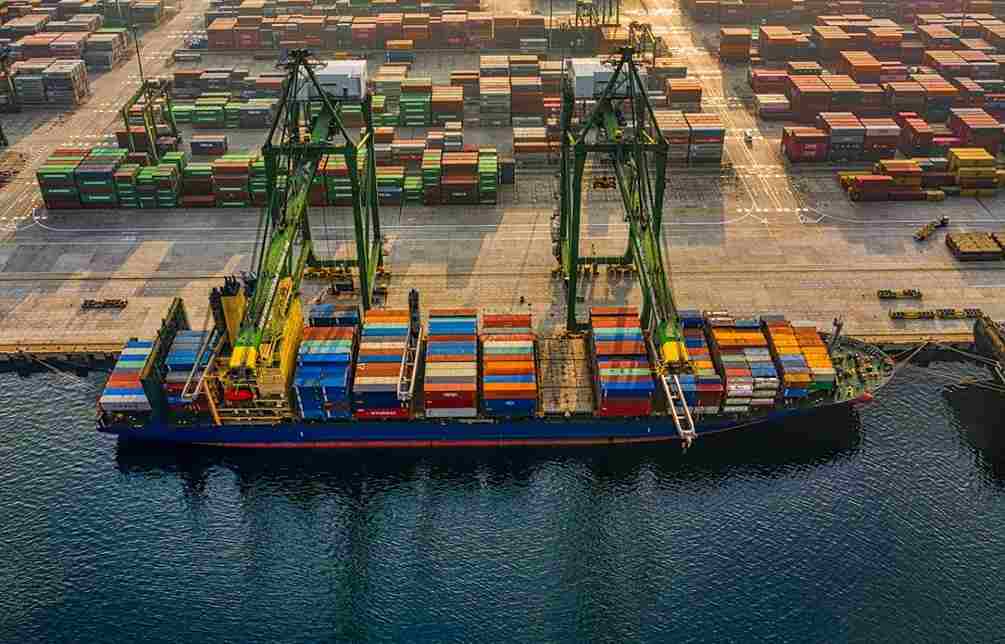
Getting goods across borders isn’t just a matter of transport; it’s a test of strategy, timing, and precision.
For businesses that rely on overseas suppliers or ship products internationally, freight shipping is far more than a background operation.
It’s the engine that keeps your supply chain moving.
From navigating customs regulations to choosing the right shipping method, understanding international freight services can make a significant difference in your delivery timelines, operating costs, and customer satisfaction.
What Is International Freight Shipping?
International freight shipping is the process of moving goods across borders using various transportation modes such as sea, road, rail, or a combination of all three.
Freight forwarding companies or logistics providers handle the coordination of these shipments, ensuring that goods are delivered safely and in compliance with international regulations.
Shipping internationally involves more than just transporting goods. It includes documentation, customs clearance, packaging, insurance, and coordination between carriers.
For many businesses, outsourcing these logistics to a reliable freight service provider can save time and reduce the risk of costly delays.
Modes of Freight Shipping
The mode of freight shipping you choose will depend on your budget, delivery timeline, and the nature of your goods.
The most common options include:
- Sea Freight: Ideal for bulk goods, sea freight is typically the most cost-effective method for long-distance shipping. It’s commonly used for large or heavy shipments that are not time-sensitive.
- Road Freight: Often used for regional deliveries, especially within the same continent, road freight offers flexibility and door-to-door service. It’s frequently used in combination with sea or rail transport in multimodal shipping.
- Rail Freight: A sustainable option for inland transport, rail freight is especially useful for heavy goods over long distances where speed is not the primary concern.
The Role of Freight Forwarders
Freight forwarders are the logistical backbone of international shipping.
They act as intermediaries between the business and various transportation services, handling everything from carrier bookings and route planning to documentation and customs brokerage.
Businesses benefit from working with experienced freight forwarders because they have deep knowledge of global regulations, port operations, and shipping best practices.
They also help consolidate shipments, manage warehousing, and track goods in transit.
For companies without an in-house logistics department, freight forwarders offer the expertise needed to navigate complex international processes.
Common Challenges and How to Avoid Them
Shipping goods internationally comes with its own set of challenges. Delays at customs, unexpected fees, and damage during transit are just a few issues that can disrupt supply chains.
To reduce these risks, it’s essential to:
- Prepare accurate and complete shipping documents
- Understand customs regulations in both the origin and destination countries
- Insure high-value shipments against loss or damage
- Plan for longer lead times, especially when using sea freight
To manage costs effectively, businesses should compare rates across providers, consider flexible shipping schedules, and explore consolidated shipping options where possible.
Mastering Freight Shipping for Business Growth
International freight shipping services are essential for businesses that want to operate on a global scale. Understanding the basics can empower businesses to make informed decisions and strengthen their supply chains.
As global commerce continues to evolve, businesses that invest time in understanding their freight logistics will be better positioned to compete and grow in international markets.